
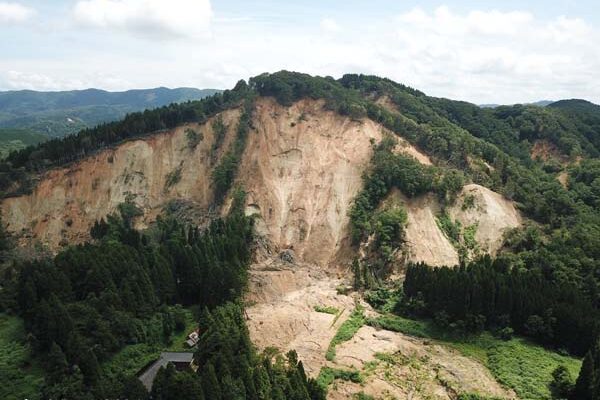
The JPGU2025 poster on Noto Earthquake coseismic landslides is online
Click on the poster to go to the download link.





Click on the poster to go to the download link.
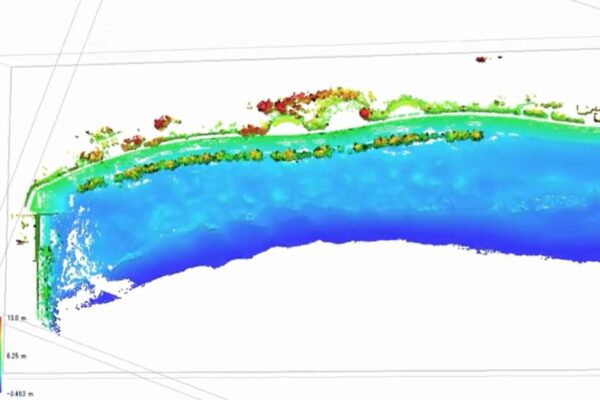
Using LiGRIP-2 SLAM LiDAR, a GNSS and PPK from 4 fixed stations in the vicinity, the good loop closure rate of the SLAM process produced (with some elbow grease) a cool model of the micromorphology.
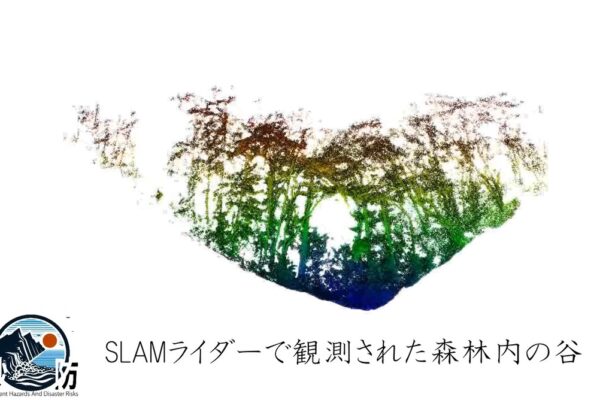
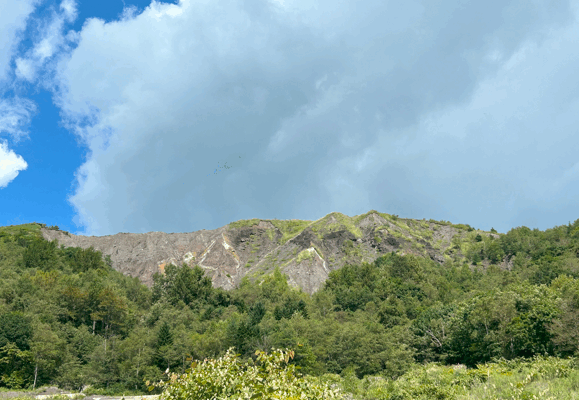
For his work on pumices and how their structure may relate to the explosive activity of volcano, and for his work on tree loading by rainfall on tree stems, Mr. Sawada and Mr. Teshima headed to Hokkaido to work in collaboration with my colleague Dr. Koi, of Hokkaido University. Dr. Koi, thank you so much…
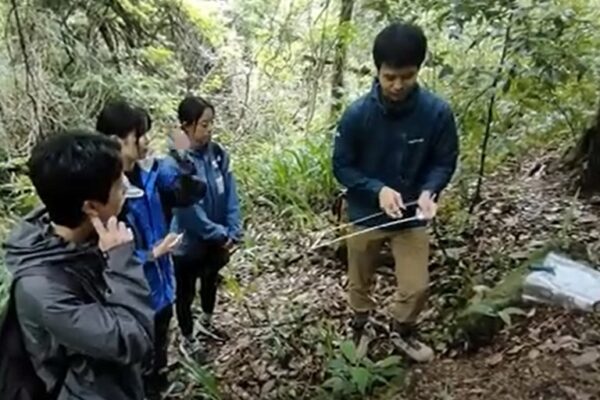

Gomez, C., & Hadmoko, D. S. (2025). Application of LiDAR Differentiation and a Modified Savage–Hutter Model to Analyze Co-Seismic Landslides: A Case Study of the 2024 Noto Earthquake, Japan. Geosciences, 15(5), 180. https://doi.org/10.3390/geosciences15050180 https://doi.org/10.3390/geosciences15050180

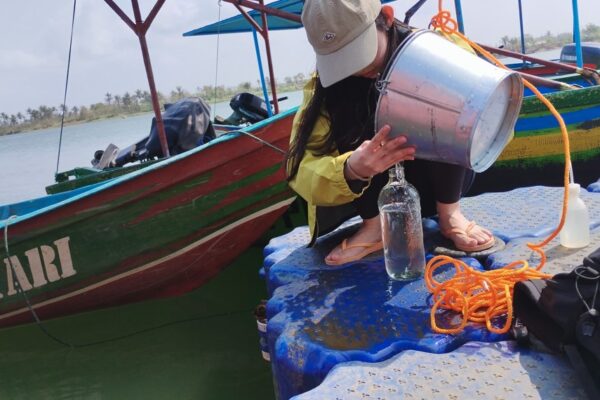
Miho Nomura has been working on marine and riverine pollution by microplastics and plasticizers in some of the most polluted rivers, in central Java, Indonesia. Her work is bridging the gap between environmental chemistry and hydrology and hydraulic. At term, she will be able to predict at what time of the year plasticizers and microplastics…
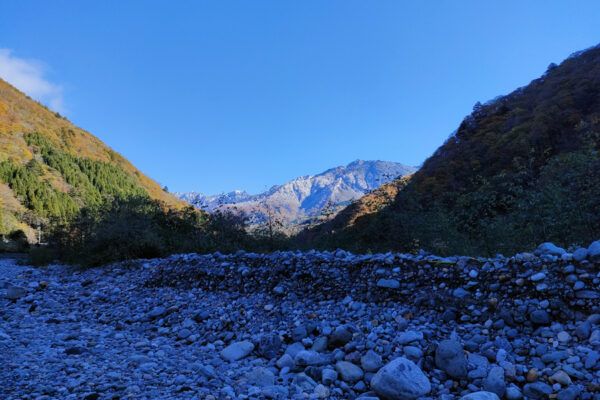
Together with Dr. Bradak, Dr. Gomez went to collect data and samples from the area of Mt. Yakedake and Hida-Takayama
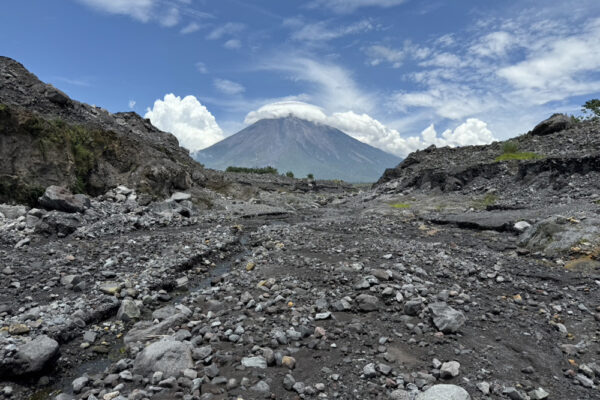
Rikuto DAIKAI is doing research work at Mt. Semeru in Indonesia, where he is recording LiDAR data from UAV in collaboration with the research team of UMS (Universitas Muhammadiyah Surakarta).